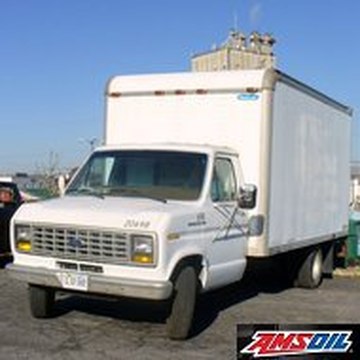
Engine Lubrication and Service for the 1981 Ford Trucks E350 VAN 4.9L
Maintaining a vehicle of this era requires a focus on consistent monitoring and proactive care. For owners of the 1981 Ford Trucks E350 VAN equipped with the 4.9L engine, understanding the fundamentals of lubrication and routine inspection is essential for long-term operational stability. Because older engines often operate under different mechanical stresses than modern counterparts, a disciplined approach to fluid management and component observation can help identify needs before they become significant issues.
Monitoring Fluid Integrity and Condition
One of the most effective ways to monitor the health of an engine is through regular observation of its lubricants. While many owners focus solely on the volume of oil, the actual condition of the fluid provides much more information. When performing routine checks, it is useful to look for changes in the lubricant's appearance or consistency.
If the oil appears excessively dark or contains visible particulates, it may indicate that the service interval has been exceeded or that there is internal contamination. Furthermore, any unusual odors associated with the engine oil should be investigated. While a burning smell can sometimes be attributed to external factors, such as oil contacting a hot exhaust component, it warrants a thorough inspection of the surrounding area to ensure no active leaks are present.
It is also important to watch for signs of unexpected consumption. If you find that the engine requires more frequent top-offs than previously noted, this change in behavior should be documented and investigated. Such changes can be associated with various factors, ranging from minor seal seepage to changes in how the vehicle is being operated.
Practical Inspection Priorities for Aging Components
As vehicles age, certain components naturally become more sensitive to environmental factors and usage. For a 1981 Ford Trucks E350 VAN, maintenance should prioritize the condition of materials that are subject to heat and pressure cycles. Rather than assuming parts need replacement based solely on the age of the vehicle, inspections should be driven by the actual physical condition of the components.
When inspecting the engine bay, look for the following:
- Gaskets and Seals: Inspect various sealing surfaces for signs of seepage or dampness. Even if a leak is not actively dripping, a "wet" appearance around a gasket can indicate that the material is beginning to lose its effectiveness.
- Hoses and Connections: If present, inspect any visible hoses for signs of cracking, softening, or bulging. Ensure that connections remain tight and that there are no signs of weeping at the junctions.
- Electrical Integrity: Check accessible wiring and electrical connectors for signs of fraying, corrosion, or heat damage. Secure connections are vital for consistent engine performance.
- Drive Components: If equipped, inspect any accessible drive belts for evidence of glazing, cracking, or fraying. A belt that shows significant wear can lead to issues with accessory operation if it fails.
By focusing on these areas during every service interval, you can establish a clearer picture of the vehicle's current mechanical state and prioritize repairs based on actual necessity.
Establishing a Maintenance Baseline
For many owners of older vehicles, the complete service history may not be readily available. In these instances, the first priority is to establish a maintenance baseline. This involves performing a comprehensive inspection and documenting the current state of all fluids, filters, and major mechanical components.
Once you have documented the initial condition—noting any existing minor leaks, the current state of the belts, or the clarity of the fluids—you can accurately track changes over time. This historical record becomes an invaluable tool. For example, if you notice a small amount of seepage in one month and a significant increase in the following month, your records will help you identify the progression of the issue. Keeping a detailed log of every oil change, filter replacement, and minor repair allows for more informed decision-making regarding whether to perform preventive maintenance or wait until a component shows clear signs of wear.
Managing Long-Term Engine Health
Effective long-term ownership is less about following a rigid, universal schedule and more about responding to the specific needs of your individual vehicle. Because every 4.9L engine has been subjected to different operating environments—such as varying climates or different load requirements—their maintenance needs will diverge over time.
Prioritize your maintenance tasks by addressing active concerns first. An active leak or a noticeable change in how the engine sounds should always take precedence over general preventive measures. When reviewing your maintenance history, look for patterns. If certain components require more frequent attention than others, you can adjust your inspection frequency to match that reality. This condition-based approach ensures that you are investing time and resources where they will have the most significant impact on the vehicle's reliability.
Understanding Lubricant Functions
Engine oil performs several vital roles that go beyond simple lubrication. It acts as a medium for heat management, helping to carry thermal energy away from high-friction areas within the engine. It also serves as a cleaning agent, helping to suspend microscopic particles so they can be captured by the oil filter. Furthermore, modern lubricant formulations are designed with oxidation resistance in mind, which helps prevent the formation of sludge and other deposits that can accumulate over long periods of operation.
When considering different types of lubricants, such as conventional, synthetic blends, or full synthetics, it is important to understand that these choices should be made based on the specific requirements of your engine. Some formulations are specifically designed with seal-conditioning additives intended for use in aging engines, which may help maintain the flexibility of older gaskets and seals. However, the most critical factor remains matching the lubricant to the application-specific information provided for your vehicle.
Buying Engine Oil for your 1981 Ford Trucks E350 VAN 4.9L
When you are ready to purchase new lubricant, do not rely on general assumptions about what an older engine might need. The most reliable way to ensure you are using the correct product is to match the oil to the application-specific viscosity and requirements already displayed on this webpage.
Before finalizing your purchase, always check the product labeling to verify that the oil meets the appropriate quality standards and certifications. If you are considering high-mileage formulations, review the label to understand what specific additives are included. Whether you choose a conventional oil, a synthetic blend, or a full synthetic, ensure that the selection aligns strictly with the vehicle-specific information provided in the application data above. This ensures that the lubricant provides the necessary protection and performance characteristics intended for your 4.9L engine.